How to Make Sunglasses Tighter: Simple Fixes for a Secure and Comfortable Fit
Sunglasses that slip down your nose or slide off your ears can ruin an otherwise great day. Whether you’re driving, hiking, or relaxing at the beach, a loose fit is frustrating. It forces constant adjustments and distracts from your activities. Fortunately, knowing how to make sunglasses tighter can solve this issue quickly and affordably. Many solutions require no tools or professional help. With just a few household items or simple techniques, you can achieve a snug, personalized fit. This guide covers multiple methods based on frame material, design, and lifestyle needs.
Moreover, properly fitted sunglasses offer more than comfort. They stay in place during movement. This ensures full UV protection and clear vision. You won’t have to squint when they shift. So if your favorite pair feels too loose, don’t replace them—fix them instead.
 Why Proper Fit Matters for Sunglasses Performance
A secure fit enhances both function and safety. When sunglasses stay in place, they block sunlight consistently. Gaps caused by slipping reduce coverage. This exposes your eyes to harmful UV rays. Over time, unprotected exposure increases risks like cataracts.
Additionally, active lifestyles demand stability. Running, cycling, or playing sports create motion. Loose frames bounce with each step. This leads to distractions or even falls. A tight fit prevents sudden drops.
Comfort improves when pressure is balanced. Well-fitted arms distribute weight evenly. There’s no pinching behind the ears or pressure on the nose bridge. Long-term wear becomes enjoyable.
Style also benefits. Glasses that sit correctly enhance facial features. They don’t slide forward or tilt sideways. Your look stays polished all day.
Therefore, learning how to make sunglasses tighter isn’t just about convenience—it’s about eye health, performance, and confidence.
How Frame Material Affects Adjustment Options
Different materials respond to adjustment in unique ways. Metal frames are often heat-resistant. You can bend them slightly without damage. However, over-bending may weaken joints. Always use care when applying force.
Titanium frames are strong but flexible. They return to shape after minor shifts. Adjustments should be gentle. Use pliers with rubber tips to avoid scratching.
Plastic or acetate frames need heat before bending. Cold plastic can crack under pressure. Run warm water over the arms first. Then gently twist the ends inward. Hold for 10–15 seconds to set the new shape.
Polycarbonate frames are impact-resistant. They’re common in sport sunglasses. These tend to hold their form well. Small tweaks are possible, but major changes risk breakage.
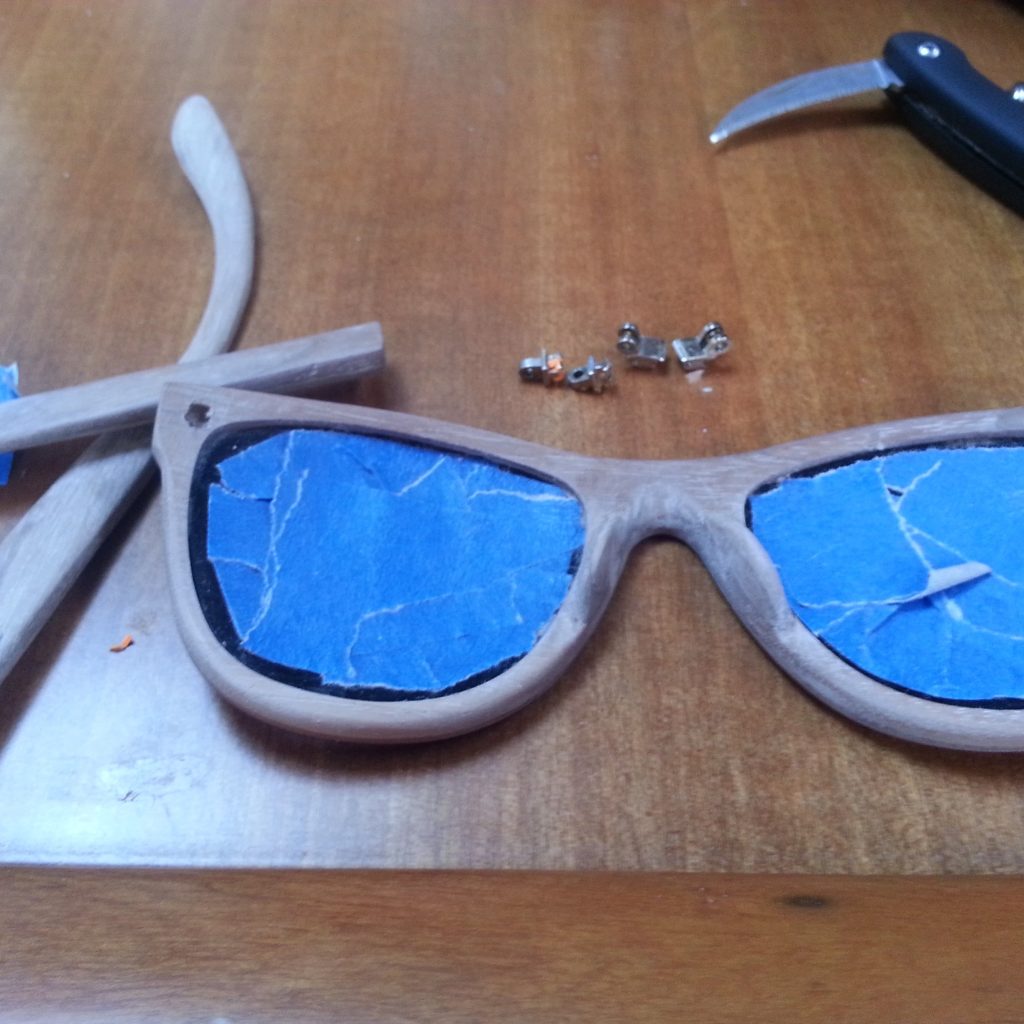
Wooden or bamboo sunglasses require extra caution. They are less flexible. Never apply direct heat. Instead, try non-heat solutions like adding grip pads.
Knowing your frame type guides safe adjustments. Choose methods that match the material’s limits.
 DIY Methods to Make Sunglasses Tighter Without Tools
You don’t always need special equipment. Household items work surprisingly well. One easy fix uses a hairdryer. Warm the earpieces slowly. Then bend them slightly inward. Hold the shape until cool. This works best on plastic frames.
Another method involves hot water. Fill a bowl with warm (not boiling) water. Dip the temple arms for 30 seconds. Bend them toward your head. Let dry completely before wearing.
Rubber bands add grip instantly. Wrap one around each end of the arms. Position it near the tip. It creates friction against the skin. This stops sliding without altering the frame.
Hair ties serve a similar purpose. Slide a small elastic loop over each arm tip. Choose neutral colors for a discreet look. Replace as needed.
Clear tape works in a pinch. Wrap a small piece around the inside of the earpiece. Avoid thick layers. Too much bulk causes discomfort.
These no-tool fixes are temporary. But they offer quick relief when adjustments aren’t possible.
Using Heat and Bending Techniques Safely
Heat makes many materials easier to shape. For plastic frames, start by heating the temples. Use a hairdryer on medium heat. Aim at the arm for 30–60 seconds.
Never use open flames. Lighters or stoves can melt or burn the surface. Stick to controlled sources. Hairdryers and warm water are safest.
Once warm, gently bend the arms inward. Focus on the last inch near the tip. That part rests behind the ear. Even a slight angle change improves grip.
Hold the new shape for 20–30 seconds. This allows the material to cool in position. Test the fit afterward. Repeat if needed.
For metal frames, skip the heat. Use two pairs of pliers with soft jaws. Grip the arm near the hinge and the tip. Bend slowly. Check frequently.
Always adjust both sides equally. Uneven tension causes imbalance. One side may press harder than the other. Symmetry ensures comfort.
 Adding Accessories for Extra Grip and Security
Grip-enhancing products improve hold without permanent changes. Silicone temple tips slide over the ends of the arms. They come in clear or black. These increase friction and cushion pressure points.
Anti-slip sleeves are longer than standard tips. They cover more of the arm. Ideal for runners or cyclists. Some brands offer sweat-resistant versions.
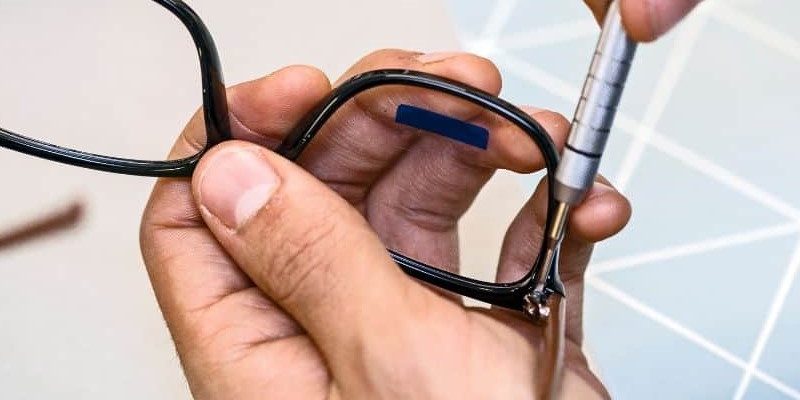
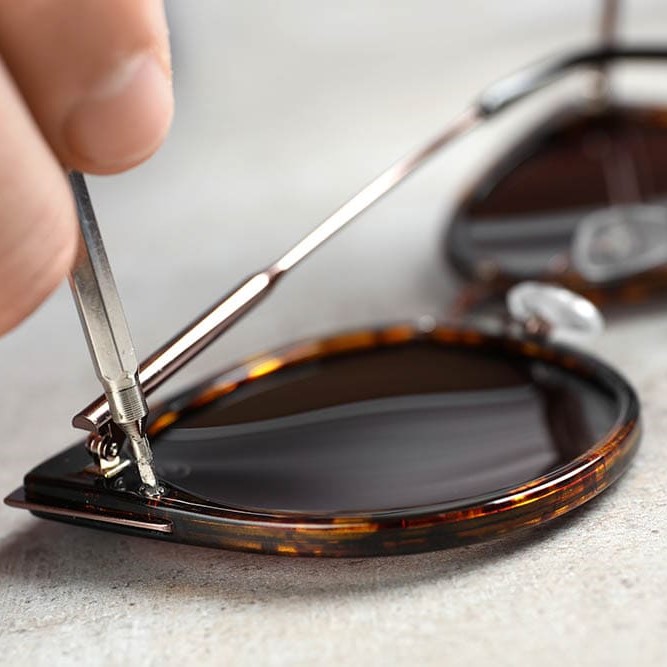
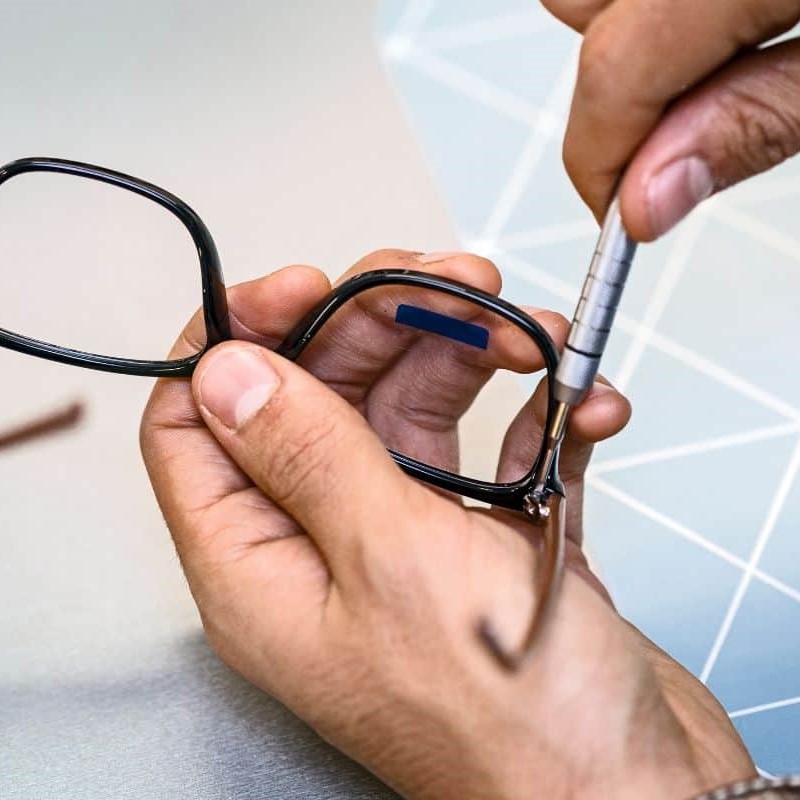
Nose pads can be adjusted. If your sunglasses have movable ones, tighten the screws. Turn clockwise with a tiny screwdriver. This brings them closer together. A narrower fit reduces slipping.
Aftermarket nose pieces attach easily. Adhesive-backed pads stick to the bridge. Choose silicone or gel types for softness. They also prevent marks on the skin.
Sport straps wrap around the back of the head. These are popular with swimmers and athletes. Adjustable lengths fit all head sizes. They keep glasses secure during intense activity.
These accessories let you customize without altering the original design.
When to Seek Professional Help from Opticians
Some adjustments go beyond DIY. If your sunglasses are expensive or prescription-based, avoid risky attempts. Mistakes can ruin the frame. Professionals use specialized tools. They know exact stress points.
Opticians can re-align bent hinges. Misaligned arms cause uneven pressure. They may also replace worn-out spring hinges. New parts restore tension.
If the frame has lost its shape, they might have heat-forming devices. These reshape plastic safely. Home methods can’t match that precision.
Many stores offer free minor adjustments. Bring your sunglasses in during routine visits. Ask for a fit check. It takes only minutes.
Even if you’ve tried fixing them, pros can correct errors. They restore symmetry and balance. Their expertise preserves your investment.
Preventative Tips to Keep Sunglasses Fitting Well
Prevention reduces future problems. Store your sunglasses in a hard case. Soft pouches allow bending. Cases protect from pressure in bags or car seats.
Avoid leaving them in hot areas. Car dashboards warp frames. Extreme heat softens plastic. It ruins precise adjustments.
Clean regularly. Oils and sweat build up on arms. This reduces grip. Wipe with a microfiber cloth and lens-safe cleaner.
Check screws monthly. Nose pads and hinges loosen over time. Tighten them early. Carry a mini screwdriver in your case.
Wear them properly. Place them high on the nose. Don’t let them slide to the tip. This keeps them secure longer.
Replace worn parts. Cracked tips or stretched springs affect fit. Order manufacturer replacements when possible.
 Frequently Asked Questions About How to Make Sunglasses Tighter
Can I permanently tighten plastic sunglasses?
Yes. Heat-shaping sets a new form. Avoid repeated bending. It weakens the material.
Do rubber bands damage frames?
Not if removed regularly. Prolonged use may leave marks. Clean the arms weekly.
How do I know if my sunglasses are too loose?
They slide down during normal movement. Frequent pushing is a sign.
Are there products made specifically for tightening?
Yes. Grip pads, retention straps, and adjustable nose pieces are available.
Is it safe to bend metal frames myself?
Only with proper tools. Otherwise, take them to a professional.
 Final Thoughts on Mastering How to Make Sunglasses Tighter
Loose sunglasses don’t have to be a permanent problem. With the right knowledge, you can adjust them quickly and effectively. Whether using heat, accessories, or professional help, solutions exist for every frame type. Learning how to make sunglasses tighter saves money and extends the life of your favorite pair. It also improves comfort, safety, and style.
From simple home tricks to expert repairs, maintaining a secure fit is within reach. You no longer need to choose between fashion and function. By applying these methods, your sunglasses will stay put—no matter where the day takes you. So remember, when slippage strikes, the answer is clear: know how to make sunglasses tighter. Because the perfect fit is just a few steps away.