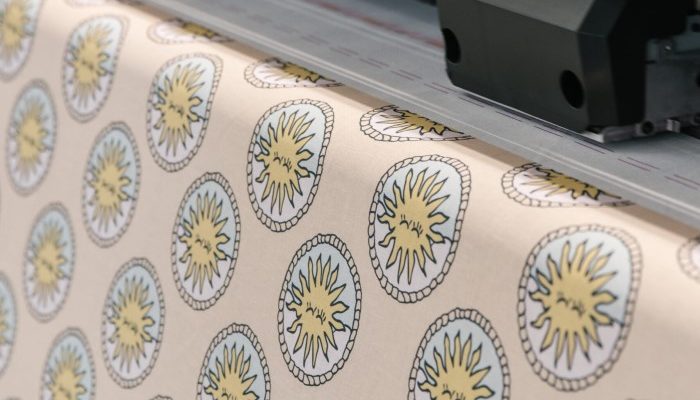
The Evolution of Textile Production
The textile industry has undergone a massive transformation. Historically, creating unique patterns on fabric was a laborious process. It often involved carving blocks or creating complex screens. Consequently, the average person could not access personalized textiles. Mass production ruled the market. Consumers had to settle for whatever designs retailers offered. However, the digital revolution changed everything. Today, custom fabric printing empowers individuals and small businesses. It allows them to produce unique textiles with ease. This shift has democratized fashion and interior design. Now, you do not need a factory to see your ideas come to life.
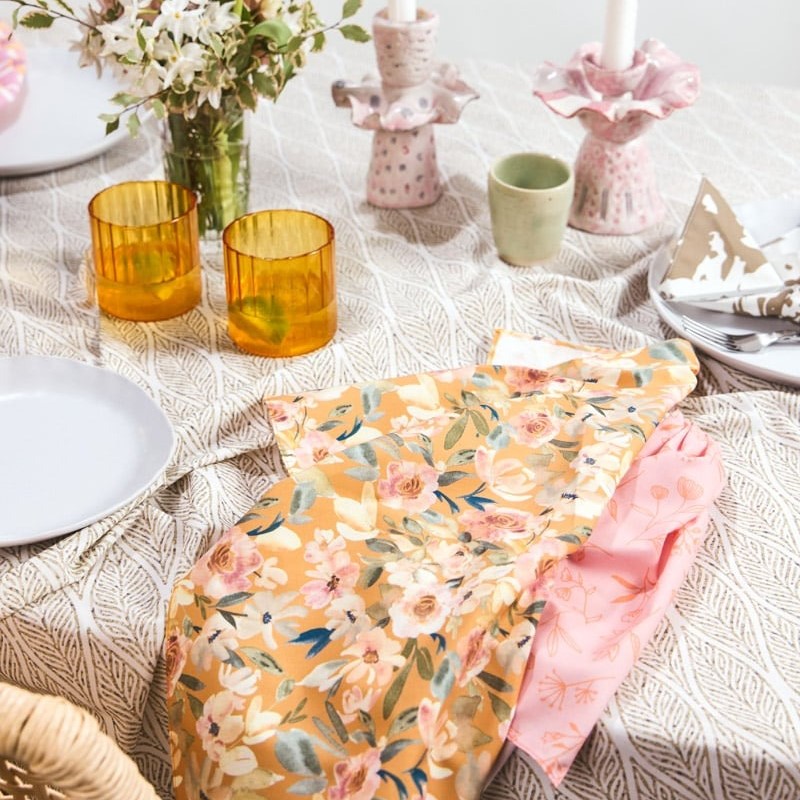
Furthermore, this evolution is driven by technology. Advanced inkjet printers now work directly on fabric. This method is similar to printing on paper. It eliminates the need for expensive setup processes. Therefore, the barrier to entry is incredibly low. You can design a pattern in the morning and hold the fabric in your hands days later. This speed encourages experimentation. Designers can test new ideas without significant financial risk. If a pattern does not work, they can simply revise the digital file. They do not need to discard expensive printing plates.
Moreover, the quality of digital printing has improved drastically. Early digital prints were often washed out or stiff. Today, the colors are vibrant and permanent. The hand of the fabric remains soft. Consequently, digitally printed fabrics are suitable for high-end fashion. They are no longer just for novelty items. This combination of accessibility and quality makes this an exciting time for creators. Whether you are a hobbyist or a professional brand, the possibilities are truly endless.
Understanding the Digital Printing Process
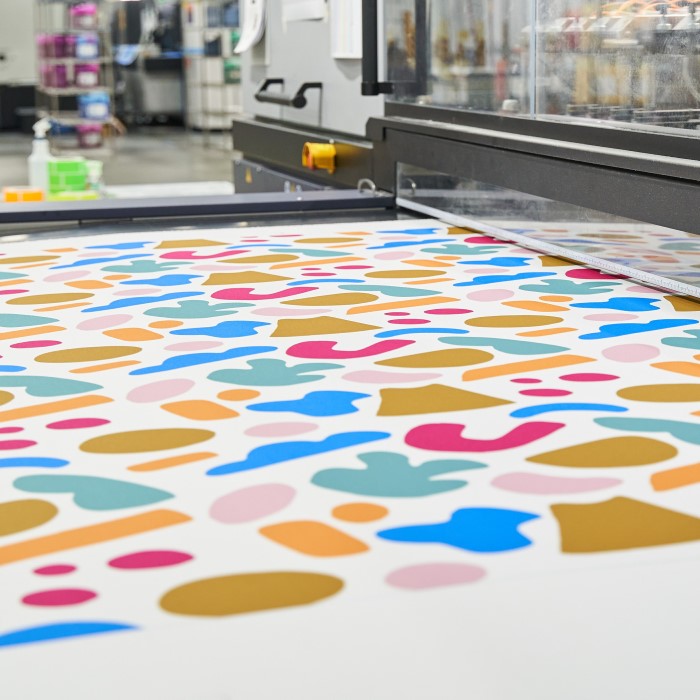
To appreciate the value of this service, you must understand the mechanics. Digital textile printing works by depositing tiny droplets of ink onto the fabric. The printer reads a digital file. Then, it precisely places millions of colored dots to create the image. This process allows for incredible detail. You can achieve photorealistic imagery. Furthermore, you can use millions of colors without increasing the cost. Traditional screen printing requires a separate screen for each color. Digital printing has no such limitation. Therefore, it is perfect for complex, multi-colored designs.
There are two main types of ink used in this process. The first is reactive dye ink. This is commonly used for natural fibers like cotton, linen, and silk. The ink chemically bonds with the fiber. Consequently, the print becomes part of the fabric. It is incredibly durable and washes well. The second type is pigment ink. This sits on the surface of the fabric. It is versatile and works on many materials. However, it might feel slightly stiffer on delicate fabrics. Additionally, sublimation printing is popular for synthetics. It turns the ink into gas to bond with polyester fibers. Each method has its own advantages.
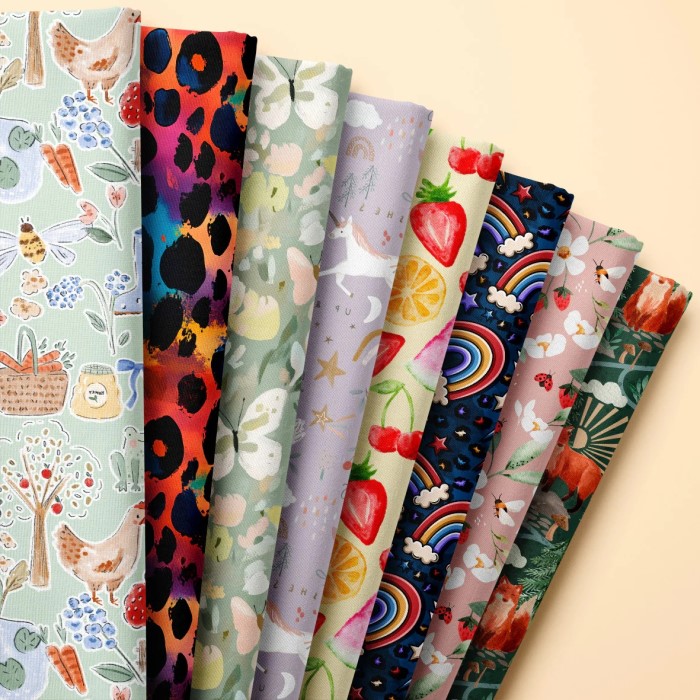
Furthermore, the preparation of the fabric is crucial. Before printing, the fabric must be pre-treated. This coating helps the ink adhere properly. It ensures the colors pop and do not bleed. After printing, the fabric often goes through a steaming or heating process. This fixes the dye. Finally, the fabric is washed to remove excess ink. This ensures the final product is soft and ready to use. Understanding these steps helps you choose the right printing partner. It also helps you design with the process in mind.
The Benefits of Print on Demand Fabric
One of the most significant advantages is the “print on demand” model. In the past, ordering custom fabric meant buying hundreds of yards. This was a huge upfront investment. It also led to waste if the design did not sell. However, custom fabric printing services now offer low minimums. You can often order just one yard or even a fat quarter. Consequently, this model is ideal for small business owners. It allows them to test the market without financial stress. They can order fabric only when a customer places an order.
Additionally, this approach supports sustainable practices. The fashion industry is notorious for waste. Overproduction leads to tons of unsold clothing in landfills. Print on demand eliminates this issue. You only print what you need. Therefore, there is no dead stock. This reduces the environmental footprint of your project. Furthermore, digital printing uses less water than traditional dyeing methods. It is a cleaner, greener way to produce textiles. Conscious consumers appreciate this difference.
Moreover, print on demand offers unparalleled flexibility. You can constantly update your designs. You can create limited edition collections. For example, you can print a customer’s name or artwork on fabric. This level of customization builds customer loyalty. It sets your brand apart from mass-market competitors. In short, the print on demand model has opened the door for a new wave of creative entrepreneurs. It makes the business of fabric accessible to everyone.
Choosing the Right Base Material
The success of your project depends heavily on the fabric you choose. A beautiful design will fail if it is on the wrong material. Therefore, you must consider the end use of the fabric. Are you making a flowing evening dress? Or are you upholstering a chair? The requirements are very different. Most custom fabric printing services offer a wide range of base cloths. These usually include natural options like cotton, linen, and silk. They also include synthetics like polyester and performance fabrics.
Cotton is the most popular choice. It is versatile, breathable, and easy to sew. Furthermore, it takes color beautifully. It is perfect for quilting, apparel, and home crafts. However, cotton can wrinkle easily. Linen offers a more textured, rustic look. It is very strong and gets softer with washing. Consequently, it is great for summer clothing and casual home decor. Silk, on the other hand, offers luxury. It has a lustrous sheen and drapes elegantly. It is ideal for scarves and special occasion wear.
Synthetics like polyester are durable and wrinkle-resistant. They are excellent for sportswear and outdoor applications. Additionally, polyester is the standard for sublimation printing. This yields the most vibrant, permanent colors. You might also consider specialty fabrics. Some services offer canvas for heavy-duty projects. Others offer jersey knit for t-shirts. Always order a sample swatch before committing to a large order. This allows you to check the color accuracy and the feel of the fabric. The right base material elevates your design from good to exceptional.
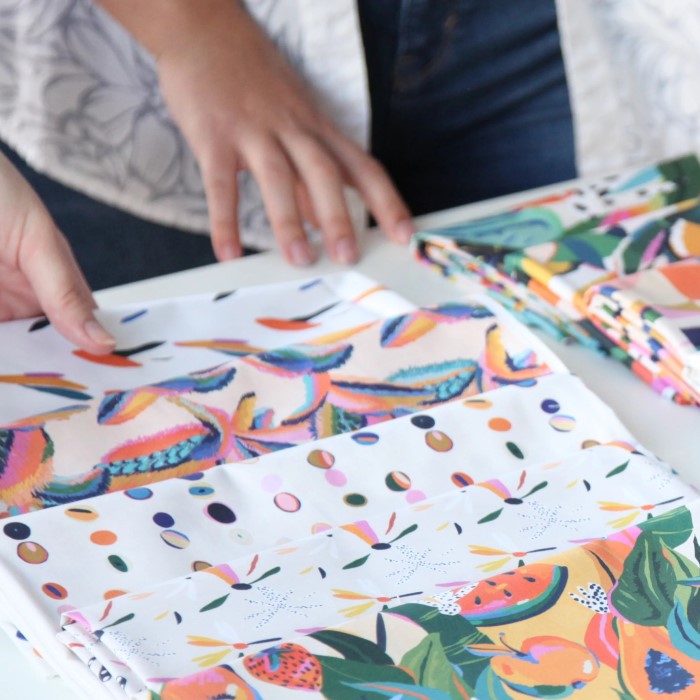
Preparing Your Design File for Print
The quality of your final fabric depends on your digital file. You cannot simply upload a low-resolution image from the internet. It will look pixelated and blurry when printed. Therefore, you must prepare your artwork correctly. Most printing services require a specific resolution. Usually, this is 150 dots per inch (DPI) at full size. This ensures the details remain crisp. Furthermore, you need to consider the color mode. Computer screens use RGB colors. However, printers use CMYK. The conversion can sometimes cause the colors to look duller. Consequently, you should work in CMYK mode if possible.
Another critical aspect is the repeat pattern. Most fabric designs are continuous. This means the pattern repeats seamlessly down the length of the bolt. There are several types of repeats. A basic repeat tiles the image side by side. A half-drop repeat offsets the image for a more organic look. You can create these patterns in graphic design software like Adobe Photoshop or Illustrator. Many online tools also help you create repeats easily. You must ensure the edges match perfectly. Otherwise, you will see visible lines in your fabric.
Finally, always check the scale of your design. A large floral print might look great on a duvet cover. However, it could be overwhelming on a small pouch. Most services allow you to resize your design in the preview window. Use this tool to visualize the final product. Additionally, make sure you have the rights to the design. Do not use copyrighted images without permission. Proper preparation prevents disappointment. It ensures the printing process goes smoothly and the result is professional.
Creative Applications for Custom Textiles
The ability to print your own fabric opens up a world of creative possibilities. For fashion designers, it means total creative freedom. You are no longer limited by the seasonal selections in fabric stores. You can create a specific print to match your collection’s theme. Furthermore, you can match the print to the pattern pieces. This minimizes waste and creates a unique garment. Imagine a dress where the print aligns perfectly across the seams. This level of detail defines high-end fashion.
Interior designers also benefit greatly. You can create custom curtains, cushions, and upholstery. This allows you to match the fabric exactly to the paint colors and decor of a room. Consequently, you can achieve a cohesive, personalized look. You can even print family photos onto fabric to make memory quilts. This is a wonderful way to preserve memories. It makes a heartfelt gift for loved ones. The emotional value of such items is immeasurable.
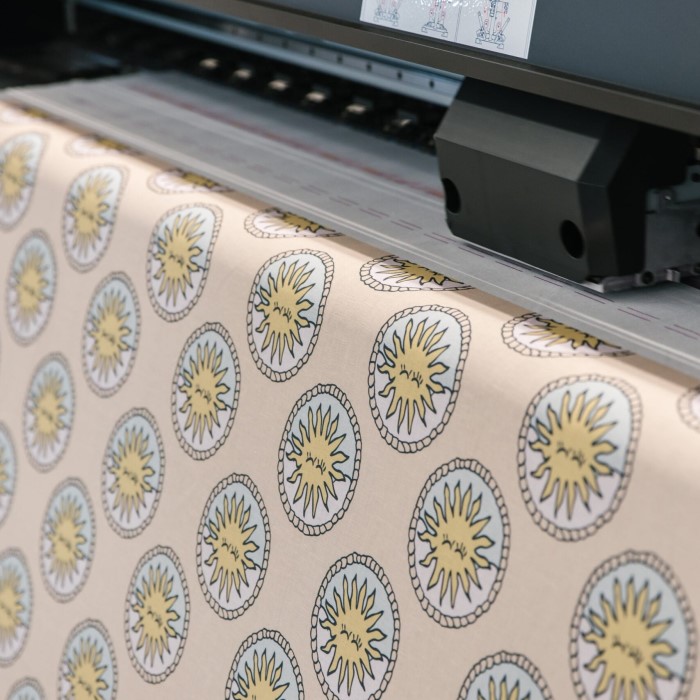
Moreover, crafters and DIY enthusiasts find endless joy in custom fabric. Quilters can create truly one-of-a-kind blankets. Bag makers can print their logos directly onto the fabric. Cosplayers can replicate intricate costume patterns that are impossible to find in stores. The applications are limited only by your imagination. From tea towels to tote bags, every project becomes a canvas for self-expression. This technology puts the power of creation back into the hands of the maker.
Cost Factors and Ordering Tips
Pricing for custom fabric printing varies based on several factors. The type of fabric is the primary driver. Natural fibers like silk are generally more expensive than polyester. The width of the fabric also affects the price. Wider fabrics cost more per yard but may be more efficient for large projects. Furthermore, the printing process itself adds to the cost. Reactive printing usually costs more than pigment printing due to the additional steaming and washing steps. Therefore, you should balance your budget with your quality requirements.
Shipping costs are another consideration. Fabric is heavy. Consequently, shipping can be expensive, especially for large orders. Look for services that offer free shipping over a certain amount. Additionally, consider the turnaround time. Custom printing takes time. It is not an off-the-shelf purchase. Production can take anywhere from a few days to a few weeks. Plan your projects accordingly. If you need the fabric by a specific date, order well in advance. Rush orders often incur extra fees.
To get the best results, start small. Order a test print or a sample pack. This is a small investment that saves money in the long run. It allows you to verify the color quality and fabric feel. Once you are satisfied, you can order your full yardage with confidence. Also, read reviews of different printing services. Look for feedback on color vibrancy and customer service. Choosing a reputable printer ensures a smooth experience. A little research goes a long way in guaranteeing your satisfaction.
Frequently Asked Questions About Custom Fabric Printing
Many people have questions before they start their first project. Here are answers to some of the most common queries.
What is the turnaround time for custom fabric printing?
Turnaround times vary by company. Generally, production takes about 5 to 10 business days. Shipping time is additional. However, some services offer rush options for an extra fee. Always check the estimated delivery date before ordering if you have a deadline.
Can I print copyrighted images?
No, you cannot print copyrighted images without permission. You must own the copyright to your design. Or, you must have a license to use the image. Printing services will usually reject files that contain obvious logos or artwork from major brands. It is important to respect intellectual property rights.
What file format is best for fabric printing?
Most printers prefer JPEG or PNG files. Some also accept TIFF or PDF files. The most important factor is resolution. Ensure your file is high resolution. It should be at least 150 DPI at the actual size you want it printed. Low-resolution files will result in blurry prints.
How do I care for printed fabric?
Care instructions depend on the fabric type and ink used. Generally, it is best to wash in cold water on a gentle cycle. Avoid using strong detergents or bleach. Air drying is often recommended to preserve the vibrancy of the colors. Always follow the care guide provided by the printer.
Conclusion
The world of textile design has changed forever. The power to create is now in your hands. Custom fabric printing bridges the gap between imagination and reality. It offers a sustainable, flexible, and accessible way to produce unique textiles. Whether you are a professional designer or a passionate hobbyist, this technology empowers you. You can create fabrics that tell a story. You can bring your wildest color ideas to life. The process is straightforward and the results are rewarding. As technology continues to advance, the quality and speed will only improve. There has never been a better time to start designing. So, open your design software, choose your favorite base cloth, and start creating your own unique fabric today. Your next masterpiece awaits.